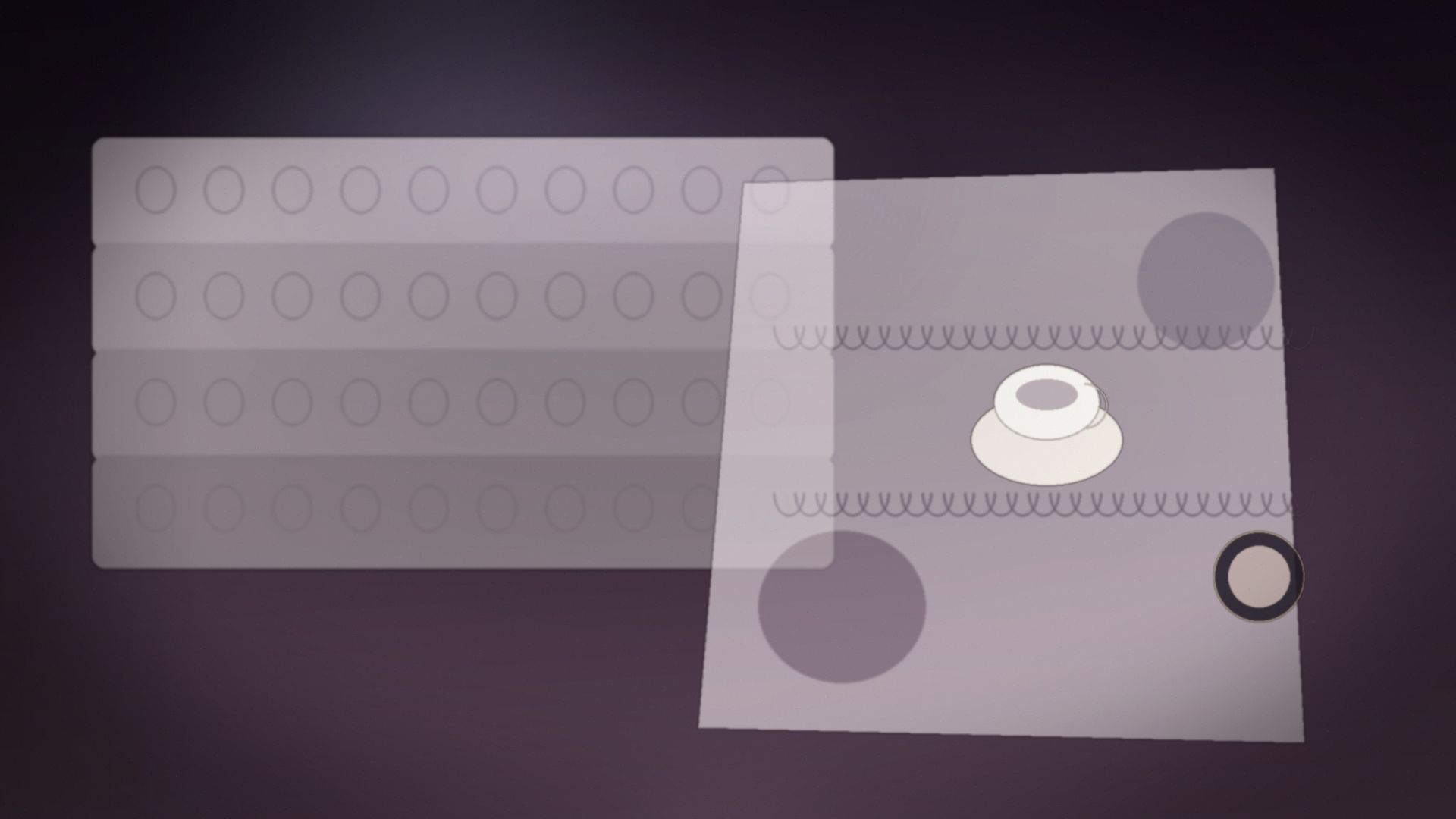
Yuhan Wang SS27 turned London Fashion Week into a bedroom that would not stay still. On 19 September 2026, Luke Leitch’s Vogue review opens on four stacked mattresses from which the first model popped down to begin a slow walk—the hypnagogic daze telegraphed before a single hemline resolved. Wang’s notes, Leitch reports, said the collection reflected the “strangeness to the moments before sleep,” licensing a roam through boudoir attire spiked with surreal jolts. For Cover Issue’s culture desk, Yuhan Wang SS27 is fashion-week theatre: dream-state dressing as costume language, filed beside Susan Fang’s Barbican lakeside and H&M’s Nick Knight AI interactive as proof London still stages shows that behave like short films.
Hypnagogia—the liminal strip between wake and sleep—is usually a psychology footnote. Wang makes it a wardrobe brief. The distortions let her offer crowd-pleasing convention with little jolts of disorder, Leitch writes: pretty enough to photograph, strange enough to remember.
Bureau drawers you can wear
Dresses were constructed to resemble open bureau drawers from which tumbled comprehensive underwear options. One model in a cherry-print flyaway-skirt mini slip walked past the phone-filming audience while regarding her reflection in a hand mirror. The corsetry of an off-the-shoulder, lace-lined camisole was twisted at an irregular angle above French knickers. Compacts, combs, and other nightstand staples migrated onto the body. This is not “lingerie as outerwear” as Instagram shorthand—it is furniture logic collapsed into dress logic, the private architecture of a bedroom worn as public silhouette.
Yuhan Wang SS27 treats the boudoir as a set you inhabit rather than a moodboard you quote. Drawer dresses make the unconscious literal: what usually hides in wood grain now walks under show lights. Pair the culture read with today’s Featured Mulberry at Three craft narrative for a London Sunday that spans heritage bags and hypnagogic nightgowns.
Clinking crockery and wonky lace
A cup and saucer were tied to the belted waist of a puff-sleeve, lace-yoked satin blouse and matching skirt—the crockery clinked as the wearer walked, per Vogue. Sound design via china is a culture detail editors should not flatten into a product shot: the show asks you to hear the outfit. Later, wadding at the right shoulder and left hip of a black lace slip threw the garment into decoratively wonky asymmetry. “Don’t look at me,” commanded a woozy narrator as a baby blue lace nightgown fitted with dislocated-hip panniers passed. Leitch’s closer: appropriate for anything from snooze button to rude awakening, a hazily skewed reverie on oneiric dressing.
Panniers—historically side-hoop volume—here read as dislocated dream anatomy rather than period pastiche. The wonky lace asymmetry is the visual cousin of hypnagogic twitch: the body almost right, then not.
Why hypnagogic boudoir matters as LFW culture
London Fashion Week SS27 has already hosted AI interactives, lakeside mist theatre, and house homecomings. Yuhan Wang SS27 occupies the surreal costume lane—closer to performance art than to see-now-buy-now commerce storytelling. That does not make it unserious. Dream-state dressing argues that fashion week’s job includes destabilizing the eye, not only selling the coat. When a narrator says “Don’t look at me” while panniers dislocate a nightgown, the show weaponizes the discomfort of being watched half-asleep—the exact anxiety of a phone-filming front row.
File Yuhan Wang SS27 next to Cover Issue’s Mulberry craft narrative and McQueen myth return as contrast, not competition: some London shows restore heritage clocks; this one stops the clock at 3 a.m. Cross-read McQueen’s LFW homecoming for the opposite energy—house drama versus boudoir surrealism.
Editor’s culture card
Show: Yuhan Wang spring/summer 2027 ready-to-wear, London Fashion Week.
Date filed by Vogue: 19 September 2026 (Luke Leitch).
Entrance device: four stacked mattresses; first model pops down.
Thesis quote (notes): “strangeness to the moments before sleep.”
Signature props: bureau-drawer dresses; cup-and-saucer waist; hand mirror; nightstand objects on body.
Sound cue: clinking crockery while walking.
Late-look language: wonky lace asymmetry; baby blue lace nightgown with dislocated-hip panniers; narrator “Don’t look at me.”
Culture angle: hypnagogic boudoir as fashion-week theatre / surreal costume language.
How to write this without killing the dream
Avoid inventing plot the review does not give—no fabricated celebrity sleepwalkers, no unsourced backstage trauma. Stick to Leitch’s catalogue of distortions and Wang’s stated strangeness. For SEO, the phrase cluster is Yuhan Wang SS27, hypnagogic boudoir, drawer dresses, London Fashion Week, cup and saucer waist. For social crops, still-life lace and crockery beat any attempt to fake a model’s face.
Surreal costume language versus commerce theatre
London’s SS27 schedule has already proved it can host see-now-buy-now archive drops and AI-driven interactive runways. Yuhan Wang SS27 answers with a different currency: attention that cannot be checked out at a till. Drawer dresses and clinking crockery are not SKUs; they are arguments about how private objects invade public walking. Editors who only chase shoppable grids will miss why phone-filming audiences lingered on the mattress stack—because the entrance already told them they were inside a dream grammar.
That grammar still belongs on a fashion site. Costume language is how fashion week metabolizes cinema, sleep science, and furniture design without leaving the runway. Keep the Leitch catalogue intact, cite the “strangeness to the moments before sleep” note, and refuse to invent a backstage soap opera. The show already supplied its own woozy narrator.
Yuhan Wang SS27 reminds London that a fashion show can be a lucid dream with a soundtrack of china. Mattress stacks, drawer dresses, clinking saucers, wonky lace, panniers that feel dislocated—the catalogue is already surreal enough. Cover Issue’s job is to keep the dream accurately sourced, then let the crockery keep clinking in the reader’s ear.