Barbour at Saatchi turned London Fashion Week into a heritage classroom you could walk through. According to the Saatchi Gallery exhibition page and TheIndustry.fashion, the British outerwear house took over the ground floor galleries at Duke of York’s HQ on King’s Road for Tartan Reimagined: The Barbour Way—an immersive LFW presentation spanning family sett history, AW26 tartan interpretations, British Fashion Council student competition winners, a live South Shields-style factory recreation with repairing and rewaxing, and Re-Loved one-offs created with partners including Gucci, Erdem, Paul Smith, Glastonbury × Oxfam, and Aardman. Public hours ran Friday 18 September (12pm–9pm) and Saturday 19 September (10am–6pm), after an exclusive press opening on the afternoon of 17 September. For Cover Issue’s culture desk, this is LFW’s clearest argument that craft spectacle can out-rank a conventional runway when the brand story is tartan-deep.
The exhibition builds on a tartan narrative Barbour first told during London Fashion Week in 2025, Saatchi notes, now extended with new interpretations inspired by the AW26 collection. Continuity matters: this is not a pop-up logo wall. It is a ground-floor takeover across Galleries 1–4 designed to move visitors from origin story to circular fashion without leaving the building.
From Kirkcudbrightshire to South Shields — the sett as design code
TheIndustry.fashion recounts the founding arc: John Barbour travelled from Kirkcudbrightshire in South West Scotland to South Shields in the North East of England, opening the first Barbour store in South Shields Marketplace in 1894; HQ remains in South Shields. Saatchi’s copy centres the family’s Scottish roots and roughly 130-year history, framing tartan as a design code present from the start and still connecting past, present, and future. The distinctive Barbour tartan sett—the sequence and arrangement of coloured threads at crossing points—is treated as founding grammar, not seasonal decoration.
Each season, Industry.fashion notes, Barbour explores new colour palettes and seasonal designs while remaining true to the original sett and family roots. AW26’s role inside the galleries is to show those reinterpretations in situ—artistry behind the collection staged as exhibition language rather than a single catwalk exit.
BFC Tartan Reimagined competition and emerging designers
Saatchi highlights contemporary responses through winning entries of Barbour’s Tartan Reimagined competition with the British Fashion Council—emerging designers transforming the iconic Barbour sett while staying true to its heritage. That BFC partnership is the culture-desk hinge: LFW’s official schedule energy meets student and early-career authorship inside a heritage brand’s walls. Visitors do not only see what Barbour already knows how to weave; they see how a new generation answers the same sett.
For fashion-education readers and industry watchers, the competition display is the difference between a brand museum and a live conversation. Tartan here is a brief, not a relic.
Re-Loved: Gucci, Erdem, Paul Smith, and the live factory
Craftsmanship sits at the heart of the final galleries, Saatchi writes. Barbour’s Re-Loved initiative shows one-of-a-kind pieces created with leading cultural and fashion partners including Gucci, Erdem, Paul Smith, Glastonbury × Oxfam, and Aardman. Industry.fashion separately notes Re-Loved creations with Gucci, Erdem, and Paul Smith, and flags that in March 2026 Barbour and Paul Smith unveiled their second collaboration collection for SS26—46 men’s and women’s pieces after a 23-piece AW25 “Paul Smith loves Barbour” country-fairs chapter—blending maritime heritage with Paul Smith’s modern eccentricity and a British seaside campaign story.
The live installation recreates Barbour’s South Shields factory craft: expert makers demonstrating repairing, rewaxing, and remaking techniques that extend garment life. In a Fashion Week dense with debut narratives, a working rewaxing bench is a different kind of front row—longevity as theatre. Guests could also purchase limited-edition event Barbour pin badges, Industry.fashion adds: a small retail ritual that keeps the takeover from feeling purely archival.
Why a gallery takeover beats another lookbook drop
London Fashion Week’s culture layer increasingly lives off-runway: exhibitions, factory demos, competition walls. Barbour’s Saatchi occupation fits that shift while staying ruthlessly on-brand—waxed cotton’s reputation for lasting becomes something you watch happen. Cross-file against other LFW craft and heritage notes on Cover Issue; the through-line is British storytelling that refuses to apologise for utility.
Visit logic: public window 18–19 September 2026, ground floor Galleries 1–4, Saatchi Gallery, King’s Road.
What to look for: family sett timeline, AW26 tartan readings, BFC winners, Re-Loved partner pieces, live rewaxing.
Take-home thesis: tartan as continuous design code; circular fashion as visible labour, not a caption.
LFW schedule logic — press night then public weekend
TheIndustry.fashion dates the arc carefully: exclusive press on the afternoon of 17 September, then public days on 18 and 19 September inside the official BFC London Fashion Week schedule. Saatchi’s listed hours—Friday noon to 9pm, Saturday 10am to 6pm—matter for culture coverage because they turn a brand moment into a civic one. King’s Road foot traffic can step into Galleries 1–4 without a show invite. That permeability is part of the heritage-takeover thesis: tartan and wax are not only for front-row Instagram; they are for anyone willing to queue.
Building on the AW25 tartan chapter, the 2026 edition’s job is escalation without amnesia. Same sett grammar, new seasonal colour stories, new student answers, deeper Re-Loved proof. Fashion weeks forget last year’s installation quickly; Barbour’s decision to continue the tartan story across consecutive LFWs is a rarity worth logging for SEO readers searching year-over-year brand behaviour.
Utility as culture — why rewaxing belongs on Fashion Week
Runway drama usually sells desire. Rewaxing sells time. Watching a garment’s water resistance restored in a gallery collapses the gap between marketing “longevity” and labour you can smell. Paired with Re-Loved partner pieces—Gucci, Erdem, Paul Smith among them—the factory bay argues that circular fashion can be both celebrity-adjacent and workshop-honest. Paul Smith’s SS26 seaside follow-up, as Industry.fashion details, extends the collaboration narrative beyond the gallery walls into product you can actually buy later; the Saatchi pin badge is the on-site souvenir version of the same keep-a-token instinct.
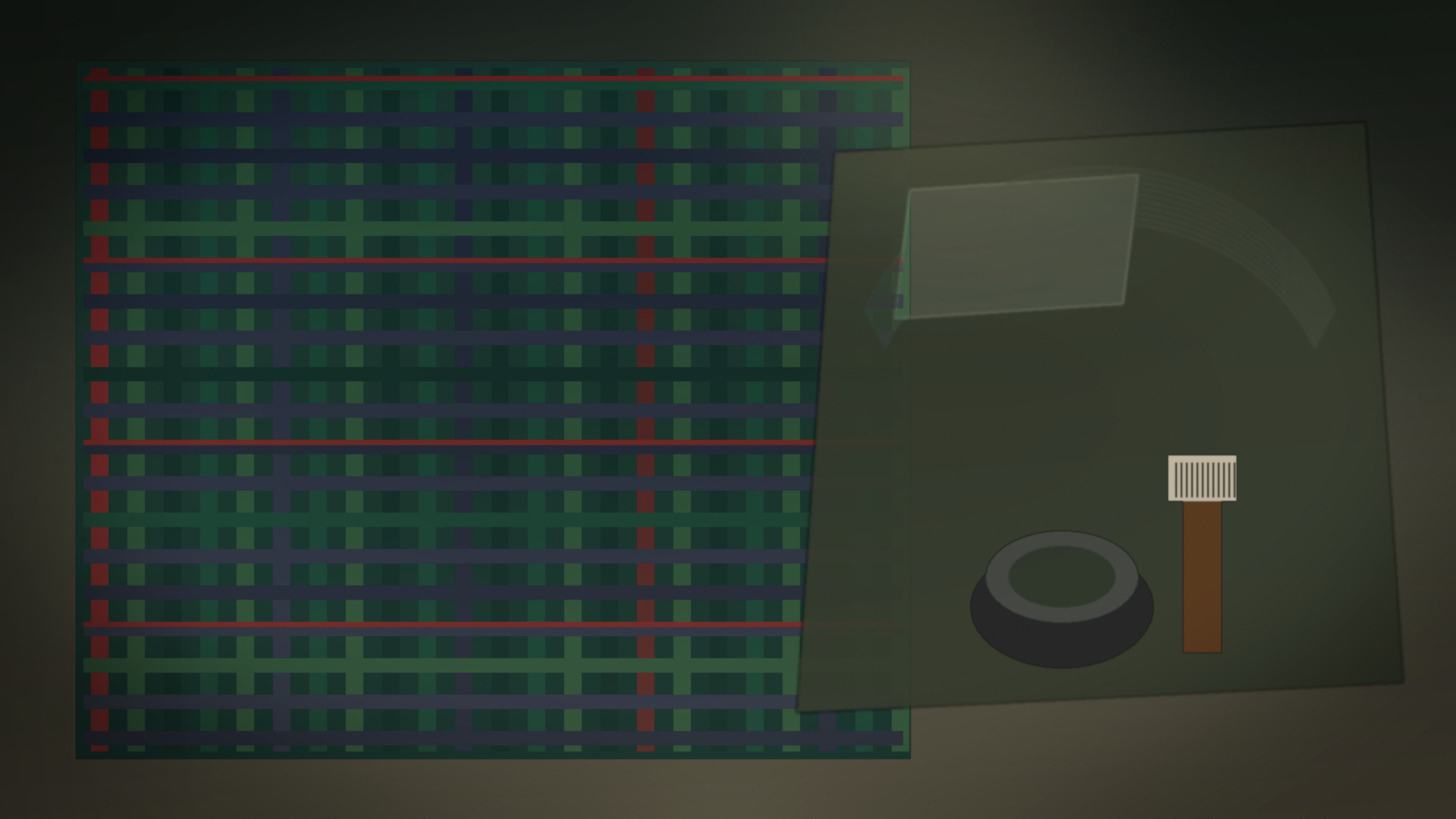
For Cover Issue culture packaging, the still-life cover stays object-led: tartan cloth, waxed cotton sheen, tin and brush—no faces required. The exhibition already starred craft; the hero image should too.
Search package and sourcing
Keywords: Barbour Saatchi, Tartan Reimagined The Barbour Way, London Fashion Week exhibition, AW26 tartan, BFC student competition, Re-Loved Gucci Erdem Paul Smith, live rewaxing South Shields, heritage takeover LFW. Primary sources: Saatchi Gallery exhibition listing; TheIndustry.fashion 11 September 2026 preview. Claims about partners, public hours, and the Paul Smith SS26 follow-up collection stay inside those reports—no invented attendance figures or unsourced quotes.
Heritage brands often rent Fashion Week attention with a single hero outerwear look. Barbour rented the ground floor instead—and filled it with sett, students, and wax. Tartan Reimagined: The Barbour Way is LFW culture at walking pace: Scottish roots, South Shields craft, and a reminder that the most modern thing a 130-year house can do is show you how it keeps clothes alive.